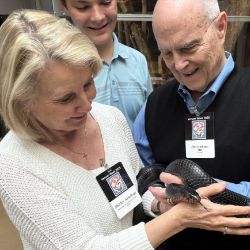
Omaha’s Henry Doorly Zoo and Aquarium welcomed leading scientists, conservationists and animal care and medical professionals for the nationally recognized North American Society of Toxinology’s (NAST) Venom Week Symposium. The three-day event, held June 4 through 6 spotlighted the latest advances in venom research and its real-world applications in medicine, wildlife conservation and antivenom innovation.
This year’s symposium carried special significance. It marked the 20th anniversary of the first Venom Week, originally hosted at Omaha’s Henry Doorly Zoo and Aquarium in 2005 and organized by founders Dr. Jim Armitage and Dr. Steve Seifert. Two decades later, the event returned to where it all began to celebrate two decades of research, collaboration and impactful discoveries driven by the venom research community.
“Hosting Venom Week is a natural extension of our mission to inspire conservation and scientific understanding,” said Jessi Krebs, the Zoo’s curator of reptiles. “This event brings together the brightest minds in toxinology and reaffirms the critical role venomous species play not just in ecosystems, but also in health and innovation.”
The symposium convened more than 140 experts across disciplines, fostering discussions on emerging science and its applications. Topics included antivenom development,
The Zoo’s role as host reinforces its position as a thought leader in conservation and science education. NAST’s Venom Week continues to provide a powerful platform for collaboration that connects research, healthcare and biodiversity.
“Venom Week is an international, multidisciplinary meeting covering all things venomous, and is a unique opportunity for scientists and other professionals from diverse fields to interact and learn from each other,” said Kristen Wiley, President of NAST. “The Board of NAST and Venom Week is extremely grateful to Omaha’s Henry Doorly Zoo and Aquarium for hosting the 10th Venom Week on our 20th anniversary.
The staff and facilities at the Zoo have been exemplary, and we truly feel that we have come full circle to return to the place it all started.”
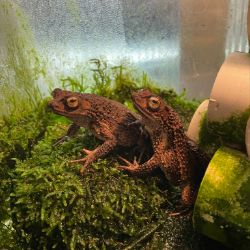
Omaha’s Henry Doorly Zoo and Aquarium is a leader in venomous species programs, contributing to both antivenom production and species conservation efforts worldwide.



Leave feedback about this