
By Rhett Ashton Uleman
OMAHA, Neb. – Recent U.S military action in the middle east is having a real effect as gas prices rise around the country.
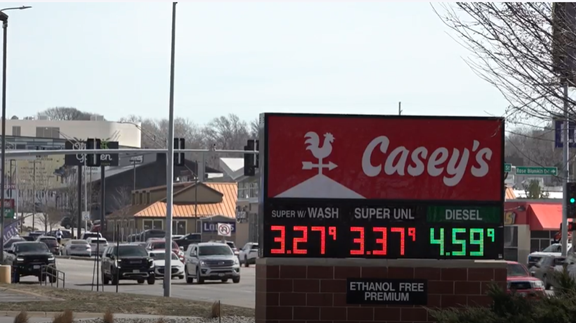
Gas prices in Nebraska have risen from $2.68 per gallon to $3.37 over the past month. According to AAA.
The rising prices come as a result of increasing tensions in the middle east, directly restricting the shipment of crude oil through essential maritime chokepoints.
The United States coordinated with Israel for a joint strike against Iran on the last day of February, beginning an international conflict that is currently ongoing. As it stands right now, the conflict is in its fourth week, and as it heads into the fifth, those overseas operations are inflicting lasting economic pressures on American citizens.
UNO professor of Economics, Dr. Jane Liu spoke about the global oil market’s sensitivity to being affected by international military affairs, especially within the region of the Middle East
“The crude oil market is a global market and the Middle Eastern area, especially from the Strait of Hormuz, more than 20% of global crude oil is coming from that area. So conflicts in that area directly affected the supply of crude oil globally.” Liu said.
Shifts in the global oil market have the ability to inflate the costs of materials like plastics and polyesters, but the most immediately noticeable effect for most citizens is higher prices at the pump.

For drivers like Omaha Doordash delivery worker Alex Mason who make their living out on the road, increased fuel expenses add up quickly.
“I would say I have to fill up my tank every other day. So like 15 extra dollars every other day. That’s like about 45 in a week or so.” Mason said.
Consumer Reports recommends maintaining tire pressure, removing access weight from your vehicle and using apps like GasBuddy for some ways to reduce fuel expenses.
But it’s more than only drivers being impacted, rising fuel costs have a ripple effect across the whole economy.
For so long as tensions continue, vital oil shipment chokepoints like the strait of Kormuz to remain closed, Americans are likely to be faced with greater economic pressures, going even beyond the gas pump.
As the conflict wages on in the middle east with no definite timeline indicating when pressures might end, drivers can only wait and see if high prices will stick around for the long haul.



Leave feedback about this