
By Gage Peterson
OMAHA, Neb. – A proposed stadium development in Omaha’s Millwork Commons area could reshape the future of downtown, bringing new opportunities for growth while also raising questions about cost and community impact.
The project, planned just north of Cuming Street, includes a 20-acre mixed-use development featuring retail, dining, and housing. At its center would be a stadium, seating between 6,500 and 7,500 fans. According to a proposed city council resolution, the development is expected to cost more than $316.5 million.
The site, which is about 25 acres in total, would sit across from Charles Schwab Field and the CHI Health Center, placing it in a growing entertainment corridor.
A Vision Beyond Soccer
Alexis Boulos, Chief Operating Officer for Union Omaha, saysthe stadium would serve more than just professional soccer matches.
“High school soccer, high school football, rugby, all kinds of things can happen there, but also community events,” said Boulos, “non-profits being able to use our space. It’s really a way for us to be more than a sports organization.”
Boulos added that having a dedicated, soccer-specific stadium would be critical for the team’s long-term growth and its connection to the community.
“For us to be able to have a home where we can host community events, tournaments, and other sports really helps us become a better partner in Omaha,” Boulos said. “It’s less about soccer and more about the community.”
How the Project Would Be Funded
While the project is being pitched as a major community asset, some residents may be concerned about what it could mean for their taxes.
City officials say the plan does not rely on raising public taxes. Instead, the project would use tax increment financing, or TIF, a funding tool that uses future increases in property tax revenue generated by the development.
Marco Floreani, Deputy Chief of Staff for Economic Development with the City of Omaha, said the stadium would be publicly owned, with Union Omaha leasing the facility.
“The plan right now is that the stadium will be owned by the city of Omaha, and the team will lease the stadium back,” Floreani said. “That lease is what the city will then use to pay back any debts associated with this project… we feel like there’s a financial model here that reduces risk for taxpayers.”
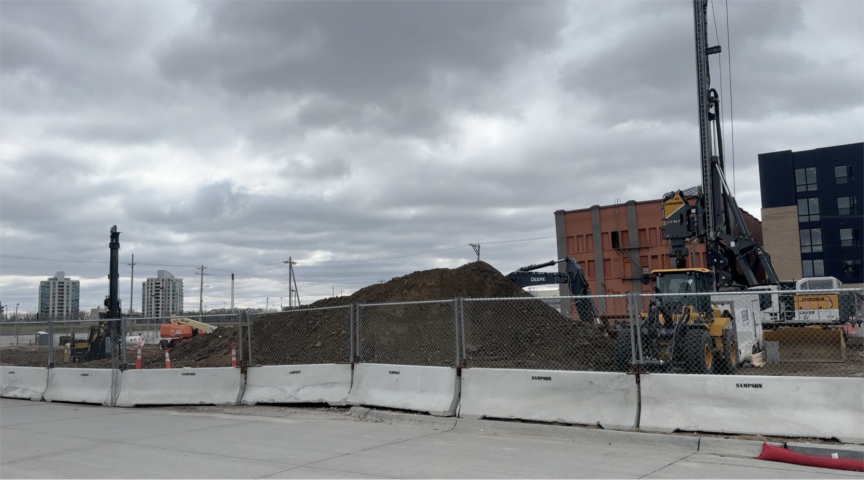
Floreani also emphasized the potential economic impact of redeveloping the site, which is currently an underutilized former rail yard.
“You’re going from a site that has had zero investment for decades to potentially hundreds of millions of dollars in development,” he said. “There’s zero sales tax revenue being generated there today… this project allows us to significantly grow our tax base.”
Floreani also pointed out the potential for additional development in north downtown, as well as the opportunity to bring both men’s and women’s professional soccer to Omaha.
Local Businesses Expect a Boost
For businesses already located in Millwork Commons, the project could bring a noticeable increase in activity.
“I think the stadium will directly impact all the businesses in Millwork Commons—especially us,” said Tim Maides, owner of Dolomiti Pizzeria & Enoteca. “I definitely think we’ll see an influx of customers.”
Maides said his restaurant has already seen increased traffic during nearby events and expects that to grow with a permanent stadium nearby.
“Anytime there’s a sporting event or concert nearby, we notice more people coming in,” he said. “So having a stadium here full-time, I think it’ll be huge.”
He also believes the development could shift the center of activity in Omaha further north.
“For a long time, everything’s been happening south of Cuming Street,” Maides said. “I think having the stadium north of Cuming is going to make a big difference for North Omaha and this neighborhood.”

Looking Ahead
City officials say the project represents a rare opportunity to expand Omaha’s urban core while redeveloping land that has sat largely unused for decades.
Still, as plans move forward, questions remain about long-term costs, community impact, and whether the projected economic benefits will materialize.

Leave feedback about this