
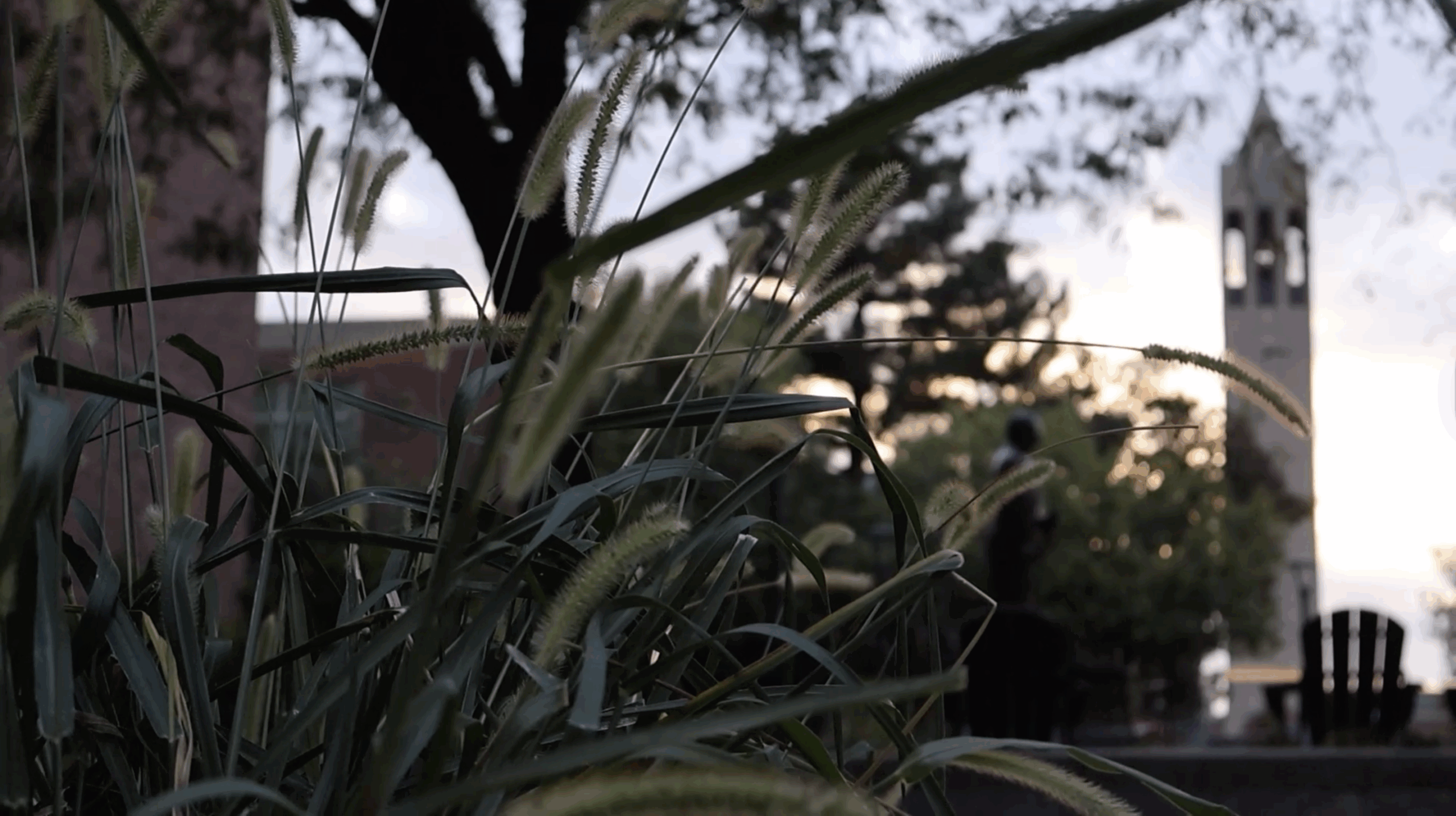
By Mary Mitzlaff OMAHA, Neb. – As fall settles in, shorter days and longer nights can do more than change the weather, they can affect how we feel. At the University of Nebraska Omaha, counselors say the season can trigger real mental health challenges for students.
The fall season brings changing leaves and cooler air to UNO’s campus every year. But as the sun slips away earlier each evening, some students start feeling more than just tired.
According to the American Psychiatric Association, about 5% of U.S. adults experience Seasonal Affective Disorder, a type of depression that comes and goes with the seasons. For college students, that number is even higher. Studies show nearly one in three notice their mood and motivation drop during the fall and winter months.
Kaden Walter, a psychology major at UNO, says the fall season is packed with responsibilities on top of the potential to feel down because of shorter days.
“October is often cited to people as like the busiest month of the year for most college students, just because the workload is crazy,” Walter said. “You’re working on like a bajillion projects in every single class, and I feel like that kind of takes away from any opportunities you may have to de-stress and get away from it.”
Maida Advic, the suicide prevention and education coordinator at UNO’s Counseling and Psychological Services, or CAPS, says this time of year often brings an uptick in students seeking support.
“What we’ll see most often is just kind of decreased motivation,” Advic said. “People might procrastinate more. People might report that they need to sleep more. So then it’s harder to fit in all their daily tasks and get the sleep that they need.”
Even a few minutes of sunlight can help. Experts say just 10 to 15 minutes outdoors can boost mood and energy levels.

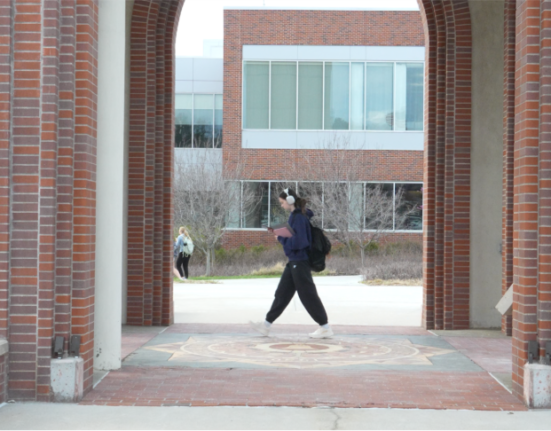
CAPS offers one-on-one counseling and workshops to help students cope with the darker months. Advic recommends students check out the Recreation and Wellness Center at UNO to see what other resources are available to help them get outdoors and stay active during the winter.
At UNO, students are finding that sometimes the smallest steps, like getting outside, can make the biggest difference.
Here in the Midwest, Seasonal Affective Disorder is very common, with fifty-two percent of people reporting that their mood drops during the winter months. Daylight Saving Time ends on Sunday, November 2, giving us an extra hour of sleep, but taking away even more daylight.


Leave feedback about this